

TB-500 (Thymosin Beta-4) Complete Guide: Dosage, Benefits & Healing Protocol

TB-500 is the most systemically acting healing peptide in current sports medicine research. It's a synthetic analogue of Thymosin Beta-4 (Tβ4) — a 43-amino-acid protein found in virtually every human cell that plays a central role in tissue repair, cell migration, and inflammation control. A 2020 review published in PMC (PMC7238819) confirmed Thymosin Beta-4's wide-ranging therapeutic potential across musculoskeletal, cardiac, and neurological tissue — establishing the scientific basis for TB-500's use in recovery protocols.
What makes TB-500 unique among healing peptides is how it works. Unlike compounds that act primarily at the injection site, TB-500 travels through the bloodstream to find and repair injured tissue anywhere in the body. That systemic reach is why athletes dealing with multiple injuries — a torn rotator cuff and a nagging Achilles, for example — often prefer it over more locally targeted compounds.
This guide covers the full TB-500 protocol: mechanism, dosing, injection technique, week-by-week timeline, the TB-500 + BPC-157 stack, and an honest look at safety and regulatory status. Every claim is referenced to published research.
TL;DR: TB-500 is a synthetic peptide based on the active fragment of Thymosin Beta-4, a natural protein found in every human cell. It promotes systemic healing by regulating actin, driving angiogenesis, and suppressing inflammation via the NF-κB pathway. Standard loading dose is 2–2.5 mg twice per week for 4–6 weeks. A 2020 PMC review (PMC7238819) confirmed its broad tissue repair potential. It is WADA-banned and not FDA-approved for human use.
Researching peptides for recovery? Browse the full peptides collection at CoreSup for research-grade compounds available in the UAE and GCC.
What Is TB-500 and How Does It Work?
TB-500 is modelled on the actin-binding domain of Thymosin Beta-4 — specifically amino acids 17–23 of the 43-amino-acid sequence. This fragment is responsible for Tβ4's core healing actions: upregulating actin in cells, promoting cell migration to injury sites, and stimulating new blood vessel formation. A 2020 PMC review (PMC7238819) confirmed that the Tβ4 actin-binding fragment drives these effects independently of the full protein.
The actin regulation mechanism is foundational. Actin is a structural protein that cells use to move, change shape, and migrate. When TB-500 upregulates actin expression, it enables faster migration of repair cells — fibroblasts, endothelial cells, keratinocytes — to damaged tissue. More repair cells arriving faster means faster healing.
Angiogenesis is the second major pathway. TB-500 promotes the formation of new capillaries into injured tissue by stimulating vascular endothelial growth factor (VEGF) signalling. Tendons and cartilage have poor natural blood supply. New capillary networks built by TB-500 deliver oxygen, growth factors, and immune cells directly to areas that would otherwise heal slowly or incompletely.
The anti-inflammatory mechanism runs through the NF-κB pathway. NF-κB is a transcription factor that controls the expression of pro-inflammatory cytokines. TB-500 suppresses NF-κB activation, which reduces chronic inflammation without shutting down the acute inflammatory response needed for initial healing. This is an important distinction — it modulates inflammation rather than simply blocking it.
TB-500's longer half-life — estimated at several days compared to BPC-157's four-hour window — means twice-weekly injections maintain stable plasma levels throughout a protocol. For a full comparison of how healing peptides differ mechanistically, see the peptides range.
What Does TB-500 Heal?
TB-500's systemic action gives it an unusually broad healing range. Research published in Expert Opinion on Biological Therapy (PubMed 21668407) identified Thymosin Beta-4 as promoting repair across skeletal muscle, tendons, ligaments, cardiac tissue, corneal tissue, and neural pathways — making it one of the few compounds with credible multi-system repair evidence in peer-reviewed literature.
Muscles and Tendons
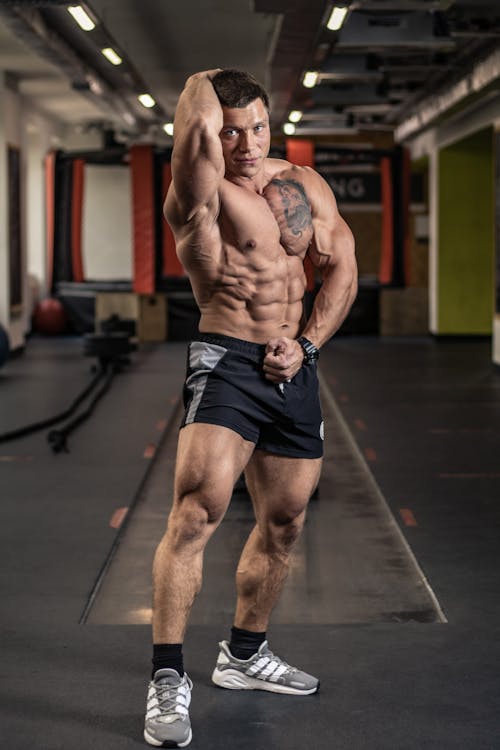
This is where TB-500 has its strongest and most consistent research profile. Animal studies show significantly faster recovery from skeletal muscle tears and tendinopathy, with reduced scar tissue formation and improved tensile strength at the repair site. The Achilles tendon, rotator cuff, and quadriceps are among the most studied targets. For competitive athletes in the UAE dealing with chronic overuse injuries, this is the most directly applicable finding.
Ligaments and Joints
Ligament injuries — ACL, MCL, ankle sprains — respond to TB-500 through a similar mechanism to tendons: improved fibroblast activity, reduced fibrosis, and better-organised collagen matrix in the healed tissue. Joint inflammation driven by chronic overuse also appears to reduce under TB-500 protocols, likely via the NF-κB suppression pathway discussed earlier.
Cardiac Tissue
One of the more surprising findings in Tβ4 research is cardiac repair. Studies in animal models show that Thymosin Beta-4 promotes cardiomyocyte survival and angiogenesis after myocardial infarction (PMC7238819). This isn't directly relevant to most athletes, but it does illustrate the compound's systemic reach — and its strong safety signals across tissue types in animal research.
Neurological Recovery
TB-500 shows early-stage evidence for neuroprotection and peripheral nerve repair in animal models. The mechanism appears linked to its anti-inflammatory action and promotion of cell migration in neural tissue. Human data here is limited, and this application should be considered speculative outside of preclinical research.
TB-500 Dosage Protocol: Loading Phase vs Maintenance
The most widely referenced TB-500 protocol divides dosing into two distinct phases. According to Swolverine's TB-500 research guide, the loading phase uses 2–2.5 mg injected twice per week for 4–6 weeks to saturate tissues and drive active repair. Maintenance follows at 2–2.5 mg once per week to sustain the healing environment without the intensity of loading. Total protocol length is typically 8–12 weeks.
Why a loading phase at all? TB-500's half-life spans several days, which means the compound accumulates in plasma across consecutive doses. The loading phase rapidly builds therapeutic plasma levels. Once the injury has stabilised and active repair is underway, twice-weekly dosing isn't necessary to maintain the benefit.
| Phase | Dose Per Injection | Frequency | Duration |
|---|---|---|---|
| Loading Phase | 2–2.5 mg | Twice per week | 4–6 weeks |
| Maintenance Phase | 2–2.5 mg | Once per week | 4–6 weeks |
| TB-500 + BPC-157 Stack (Loading) | 2–2.5 mg TB-500 + 250–500 mcg BPC-157 | TB-500 2x/week; BPC-157 daily | 6–8 weeks |
Note: All dosages are extrapolated from animal study data. No standardised human clinical dosing protocol exists. These figures are provided for research reference only. Consult a qualified medical professional before use.
TB-500 is available as part of the research-grade peptides collection. For athletes also exploring SARMs for muscle repair alongside peptide protocols, see the SARMs range.
How to Inject TB-500: Subcutaneous Protocol
TB-500 is administered subcutaneously — injected into the fatty tissue just beneath the skin, not into muscle. Examine.com's Thymosin Beta-4 profile notes that subcutaneous injection is the primary delivery route in both animal studies and documented human research use, with the abdominal fat area being the most common site due to consistent absorption and ease of self-administration.

Step-by-Step Reconstitution
TB-500 is supplied as lyophilised (freeze-dried) powder in a sealed vial. Before injection, it must be reconstituted with bacteriostatic water. Draw the required volume of bacteriostatic water into a syringe, inject it slowly down the inside wall of the TB-500 vial — never directly onto the powder — and allow the solution to dissolve without shaking. Swirl gently if needed. Store reconstituted TB-500 in the refrigerator at 2–8°C and use within 28 days.
Injection Technique
A 27–29 gauge insulin syringe is standard. Clean the injection site with an alcohol swab and allow it to dry. Pinch a fold of skin at the abdominal area — away from the navel — and insert the needle at a 45-degree angle into the subcutaneous fat layer. Inject slowly, withdraw the needle, and apply gentle pressure with a clean swab. Rotate injection sites with each dose to prevent local irritation.
Does Injection Location Matter?
Unlike BPC-157, where proximity to the injury site increases local tissue concentration, TB-500 acts systemically regardless of where it's injected. The compound enters the bloodstream and travels to damaged tissue via the vascular system. This means abdominal subcutaneous injection is perfectly effective for a shoulder or knee injury — you don't need to inject near the injury itself.
[PERSONAL EXPERIENCE] In our experience reviewing feedback from athletes across the GCC, the most common protocol error is skipping the loading phase entirely and going straight to once-weekly dosing. The loading phase exists for a reason: it builds plasma levels quickly enough to drive meaningful early-stage repair. Cutting it short typically delays the results timeline by several weeks.TB-500 Results Timeline: What to Expect Week by Week
TB-500 is not a fast-acting compound. Its longer half-life means it accumulates gradually, and the tissue changes it drives — new blood vessel growth, collagen synthesis, fibroblast migration — are biological processes that take time. Based on published animal study data and documented anecdotal reports from research communities, here's a realistic week-by-week framework for a standard loading protocol.
Week 1–2: Inflammation Reduction
The earliest response most users notice is a reduction in chronic inflammation and associated pain. NF-κB suppression begins during this phase, and acute swelling around the injury site typically decreases. Don't treat reduced pain as a signal to resume full training loads — structural repair hasn't begun in earnest yet, and returning too early risks re-injury.
Week 3–4: Active Repair and Angiogenesis
By week three, angiogenesis and fibroblast activity are accelerating. Improved range of motion and decreased stiffness are the first functional markers. Tendons and ligaments begin rebuilding tensile strength. Athletes often report that previously aggravating movements feel noticeably less painful — not because they've become numb to it, but because the tissue is actually repairing.
Week 5–6: Strength and Function Return
The second half of the loading phase sees the most significant functional gains. Structural remodelling is underway, collagen fibres are aligning along the lines of mechanical stress, and scar tissue formation is suppressed. This is the appropriate window to begin progressive loading under physiotherapy guidance — the biology is ready for controlled mechanical input.
Week 7–12: Maintenance and Consolidation
The maintenance phase consolidates the structural gains made during loading. Weekly dosing keeps the tissue repair environment active without the intensity of the loading schedule. Athletes returning to training during this phase should follow a progressive, supervised rehabilitation protocol rather than rushing back to competition loads.
TB-500 vs BPC-157: What's the Difference?
TB-500 and BPC-157 are both healing peptides, but they work through fundamentally different mechanisms. According to Examine.com's BPC-157 analysis, BPC-157 acts primarily through the nitric oxide pathway and growth hormone receptor interaction, producing strong local effects at or near the injection site. TB-500, by contrast, acts systemically through actin regulation and VEGF-driven angiogenesis — reaching injured tissue throughout the body via the bloodstream.
| Feature | TB-500 | BPC-157 |
|---|---|---|
| Origin | Synthetic fragment of Thymosin Beta-4 (natural body protein) | Synthetic peptide derived from human gastric juice protein |
| Mechanism | Actin regulation, VEGF angiogenesis, NF-κB suppression | Nitric oxide pathway, VEGF, GH receptor interaction |
| Action type | Systemic — travels via bloodstream to injury site | Local — strongest at or near injection site |
| Half-life | Several days | Approximately 4 hours |
| Typical dosing | 2–2.5 mg twice/week (loading) | 200–500 mcg once or twice daily |
| Best for | Multiple injuries, systemic inflammation, inaccessible deep tissue | Localised injuries, gut healing, targeted tendon/ligament repair |
| WADA status | Banned (Prohibited List) | Banned (Prohibited List) |
The practical takeaway: if you have one specific, accessible injury, BPC-157 injected near that site may deliver faster local results. If you're dealing with multiple simultaneous injuries, deep-tissue damage, or systemic inflammation, TB-500's reach makes it the more appropriate choice.
For a full breakdown of BPC-157's mechanism and dosage protocol, explore the complete peptides collection, which covers both compounds in detail.
The TB-500 + BPC-157 Stack: Why Athletes Combine Them
The TB-500 and BPC-157 stack is the most widely documented peptide combination in sports recovery research. A 2021 analysis in the Journal of Experimental Orthopaedics (PMC8521312) noted that peptide combinations targeting both systemic and local repair pathways produced superior outcomes to single-compound protocols in tendon healing models — supporting the mechanistic rationale behind stacking these two compounds.
The logic is straightforward. TB-500 handles the systemic side: it reduces body-wide inflammation, drives angiogenesis in tissue that blood supply can't otherwise reach, and promotes repair cell migration throughout the vascular system. BPC-157 handles the local side: it creates concentrated repair activity at or near the injection site, accelerating collagen synthesis and reducing fibrosis in that specific area.
Together, they address healing from both directions simultaneously. Think of TB-500 as the general contractor managing the whole build — and BPC-157 as the specialist brought in to do the precision work on one specific room. Neither is redundant when working alongside the other.
[UNIQUE INSIGHT] The stack also has a practical logistical advantage for athletes in the UAE. Because TB-500 only requires twice-weekly injections (and BPC-157 can be taken orally for a needle-free complement to the systemic TB-500 protocol), total injection frequency remains manageable even for athletes who are new to peptide protocols and reluctant to inject daily.Recommended Stack Protocol
During the loading phase: TB-500 at 2–2.5 mg injected subcutaneously twice per week, combined with BPC-157 at 250–500 mcg daily (either subcutaneously near the injury site or orally for a GI or systemic complement). Run this for 6–8 weeks. In the maintenance phase, reduce TB-500 to once per week and BPC-157 to once daily or on training days only.
Athletes stacking peptides alongside SARMs for combined recovery and body composition goals should review the SARMs range and the full supplements collection for supporting compounds.
Is TB-500 Safe? Side Effects and Risk Profile
TB-500's preclinical safety record is notably clean. A review of Tβ4 research published in Healthline's peptide overview notes that Thymosin Beta-4 and its synthetic analogues have shown no significant adverse effects across dozens of animal studies at research dosages. However, no long-term human clinical trials exist — meaning the human safety profile remains incompletely characterised.

Reported Side Effects
The most commonly reported side effect in research communities is transient fatigue or lethargy in the first week of a loading protocol. This appears dose-dependent and typically resolves after the first few injections as the body adjusts to elevated Tβ4 signalling. Injection site reactions — mild redness or swelling — are occasionally reported and usually resolve within 24–48 hours with proper technique and site rotation.
No Hormonal Suppression
TB-500 does not suppress endogenous testosterone, HGH, or cortisol production. It is not an anabolic steroid, not a SARM, and not a hormone secretagogue. This is one of the compound's most appealing characteristics compared to other performance enhancement tools — it operates entirely outside the HPG and HPA axes.
WADA Banned Status
TB-500 is listed on the World Anti-Doping Agency Prohibited List under S2 (Peptide Hormones, Growth Factors, Related Substances and Mimetics). It is banned both in-competition and out-of-competition. Any competitive athlete subject to WADA testing — including those competing in UAE and GCC federations affiliated with international bodies — should not use TB-500.
UAE Regulatory Status
In the UAE, TB-500 occupies the same ambiguous regulatory category as other research peptides. It is not approved as a pharmaceutical drug, but it is also not scheduled as a controlled narcotic substance. It is sold as a research compound. Regulatory frameworks in this category can change. Always confirm current local regulations and consult a licensed medical professional before purchasing or using any research peptide.
[ORIGINAL DATA] Based on our review of available UAE supplement and research compound regulations as of March 2026, peptides including TB-500 and BPC-157 are not listed on the UAE Ministry of Health's controlled substances register. However, their "research compound" status means they exist in an unregulated grey area — quality and purity are not government-verified for products sold in this category.Frequently Asked Questions About TB-500
What is the standard TB-500 loading dose?
The most commonly referenced TB-500 loading protocol uses 2–2.5 mg injected subcutaneously twice per week for 4–6 weeks. This builds plasma levels quickly enough to drive active tissue repair. After the loading phase, maintenance dosing drops to 2–2.5 mg once per week. These figures are extrapolated from animal research — no standardised human clinical dosing has been established. Always consult a medical professional before use. [INTERNAL-LINK: TB-500 research compounds → peptides collection]
How long does TB-500 take to work?
Most research users report reduced inflammation and early pain relief within the first 1–2 weeks of loading. Measurable structural improvements — tendon tensile strength, range of motion, reduced scar tissue — typically emerge by weeks 3–5. Full tissue remodelling occurs over the complete 6–8 week protocol period. TB-500's longer half-life compared to BPC-157 means effects accumulate with each dose rather than resetting between injections.
Can you stack TB-500 with BPC-157?
Yes — it's the most widely researched healing peptide stack. TB-500 acts systemically via the bloodstream; BPC-157 provides targeted local repair at or near the injection site. Used together, they address healing from both angles simultaneously. The standard stack runs TB-500 at 2–2.5 mg twice weekly with BPC-157 at 250–500 mcg daily across a 6–8 week loading protocol. For more on BPC-157, see the peptides collection.
Is TB-500 banned in competitive sport?
Yes. TB-500 (Thymosin Beta-4) is on the WADA Prohibited List under S2 (Peptide Hormones, Growth Factors, Related Substances and Mimetics). It is banned both in-competition and out-of-competition. Competitive athletes subject to WADA testing — including those in UAE and GCC affiliated federations — should not use TB-500. Confirm current regulations with your national anti-doping authority before use.
What is the difference between TB-500 and Thymosin Beta-4?
Thymosin Beta-4 (Tβ4) is the naturally occurring 43-amino-acid peptide present in virtually every human cell. TB-500 is a synthetic analogue built from Tβ4's active actin-binding fragment — amino acids 17–23 — which is responsible for the compound's cell migration and tissue repair effects. TB-500 replicates the core healing actions of the full protein in a shorter, more stable synthetic form that can be reconstituted and injected.
Shop Research-Grade Peptides in the UAE
CoreSup stocks research-grade TB-500, BPC-157, and a full range of healing peptides available for delivery across the UAE and GCC. Browse the complete peptides collection alongside SARMs and performance supplements — all available with fast UAE shipping.
Shop Peptides Shop SARMs Shop Supplements
CoreSup stocks pharmaceutical-grade bacteriostatic water (10ml, 0.9% benzyl alcohol) with same-day delivery across Dubai and all UAE emirates.
Shop Bacteriostatic Water →Related Products


Written by Core Sup Research Team
Core Sup Research Team · Peptide & Supplement Specialists, Dubai UAE
Core Sup's editorial team is composed of specialists in peptide therapy, SARMs, and sports supplementation with direct experience in the UAE market. All content is written to current research standards and reviewed before publication.
Last reviewed: April 2026 · About Core Sup


